


Profile of the month: Katerina Kalimera
By Bodil Malmström

Shaping how ekip communicates impact
As Policy Communications and Strategy Lead at MSCOMM, Katerina Kalimera shapes how ekip communicates its mission, outcomes, and policy relevance. Her core task is to ensure that communication is not an afterthought, but a structural part of how ekip delivers impact.
“I work across teams to translate policy work, research outputs, and ecosystem-building efforts into coherent narratives that resonate with diverse audiences policymakers, cultural actors, researchers, and cities,” says Katerina Kalimera.
Her role includes leading strategic messaging, developing campaigns such as Open Innovation, aligning communication goals with policy priorities, and equipping partners with tools to communicate effectively.
“I also focus on engagement strategy bridging internal insights with external visibility and uptake.”
Creating strategic clarity from complexity
At the crossroads of culture, systems, and storytelling, Katerina Kalimera crafts strategic clarity from complexity. With a professional background spanning EU-funded initiatives, UN agencies, and academic institutions, she has developed a strong expertise in translating dense, multi-layered issues into narratives that resonate.
“What I bring to ekip is a blend of structured thinking, creative direction, and psychologically-informed insight. I’m highly organised and output-oriented, but I also design for meaning ensuring communications are not just well-produced, but aligned with purpose and perception.”
ekip is complex by design non-linear, dynamic, and constantly evolving. This very complexity demands a narrative-led and systems-aware communication approach.
“My role is to make that complexity visible, navigable, and engaging through messages that resonate, frameworks that support our ecosystem logic, and campaigns that help our work land where it matters most,” she explains.
Innovation starts with people
At the heart of ekip’s Open Innovation campaign lies a simple but powerful idea: innovation starts with people.
Moving beyond buzzwords and tech-driven narratives, the campaign highlights the human drivers behind innovation collaboration, curiosity, trust, and shared purpose.
“Our goal is to show that creatives are the missing piece in how Europe understands and supports innovation,” says Katerina Kalimera.
But the message goes beyond simply calling for inclusion.
“We’re showing how creatives contribute to ekip’s open innovation model especially in the early stages of innovation, where challenges are still undefined. In the yellow zone of our model, creatives help frame problems, test ideas, build trust across sectors, and create the conditions for deeper collaboration.”
Shifting perceptions through layered messaging
ekip’s communication strategy is built around layered messaging:
- Core message: Creatives are the missing piece. Innovation is more than technology.
- Clarification: This is about innovation policy, not cultural policy.
- Positioning: ekip supports CCIs not for cultural expression alone, but for their ability to unlock cross-sector innovation.
- Campaign goal: Shift perception so policymakers and stakeholders see CCIs as core actors in innovation ecosystems not as an add-on.
“This isn’t a one-off message,” Katerina Kalimera emphasizes. “It’s part of a broader rollout grounded in ekip’s zone model, policy engine, and real-world cases and labs across Europe. We aim to create recognition, alignment, and pressure for change by showing what happens when creatives are included from the start.”
Latest ekip News and Updates
November 16, 2026
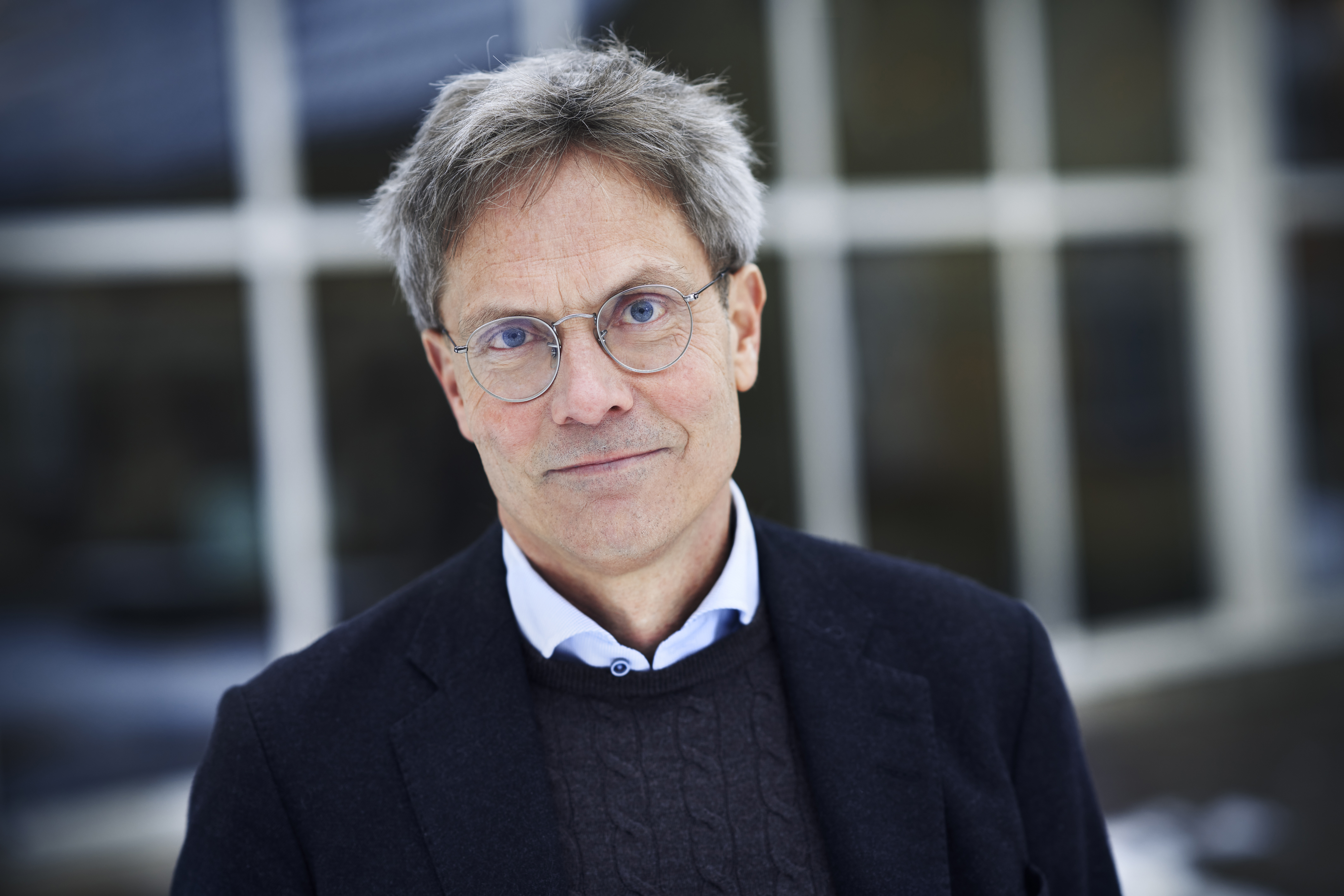
By Mats Benner | Opinion Column
Can universities be creatives’ best friend?
One of the key lessons of ekip is that the CCIs benefit from linkages with universities. ...

November 10, 2026
By Katerina Kalimera (MSCOMM), based on research by Dr Anna Kallen Talley (Institute for Design Informatics, University of Edinburgh)
From Shared Knowledge to Collective Impact: Connecting Europe’s Creative Ecosystems
How do we make sure that the knowledge generated across Europe creates opportunities for different initiatives to connect, collaborate and co-create?...
November 10, 2026
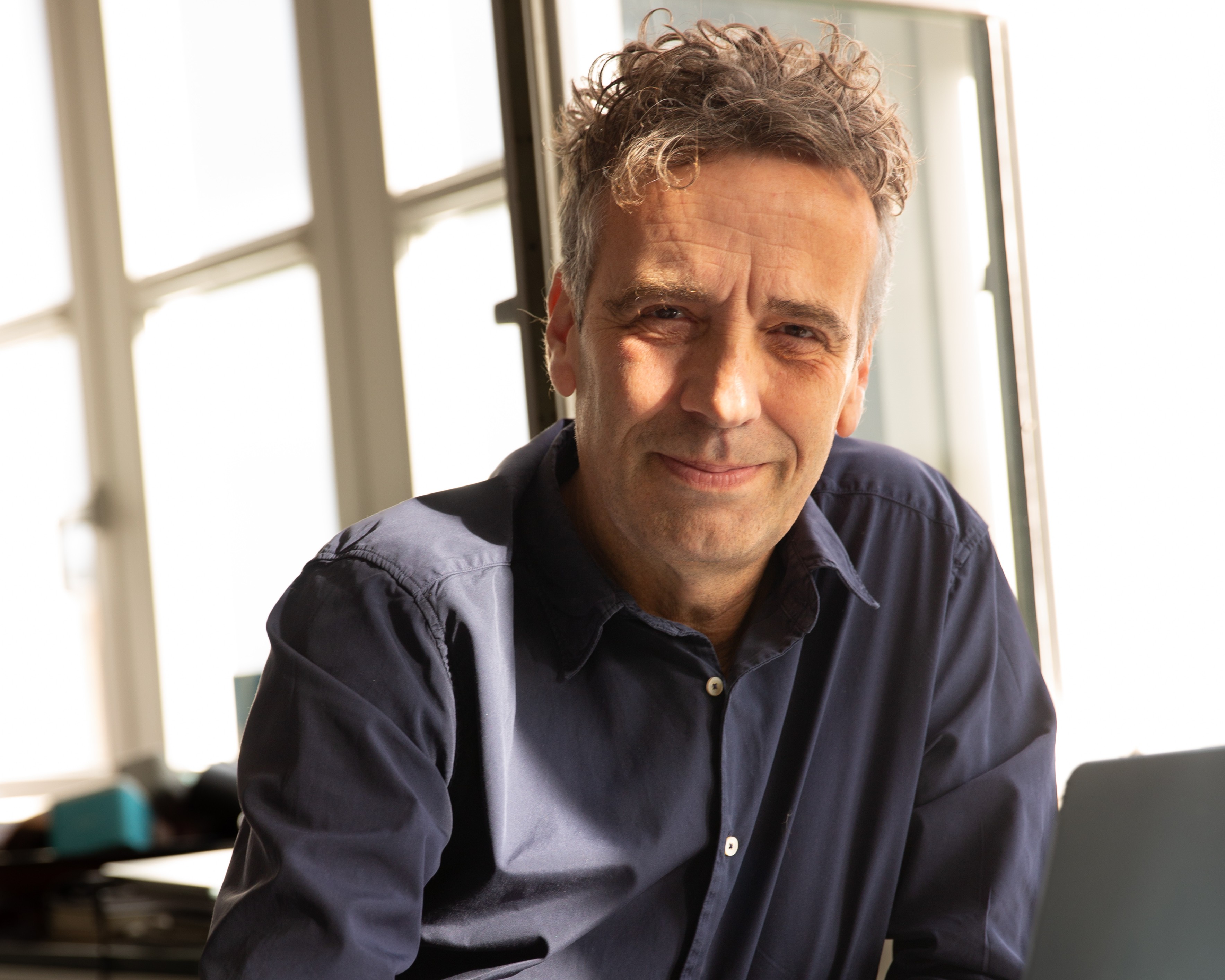
By PAUL HEKKERT | OPINION COLUMN
Redesigning Europe: The Dutch lessons
Europe’s cultural and creative industries have the skills to help tackle society’s biggest challenges....
October 28, 2026
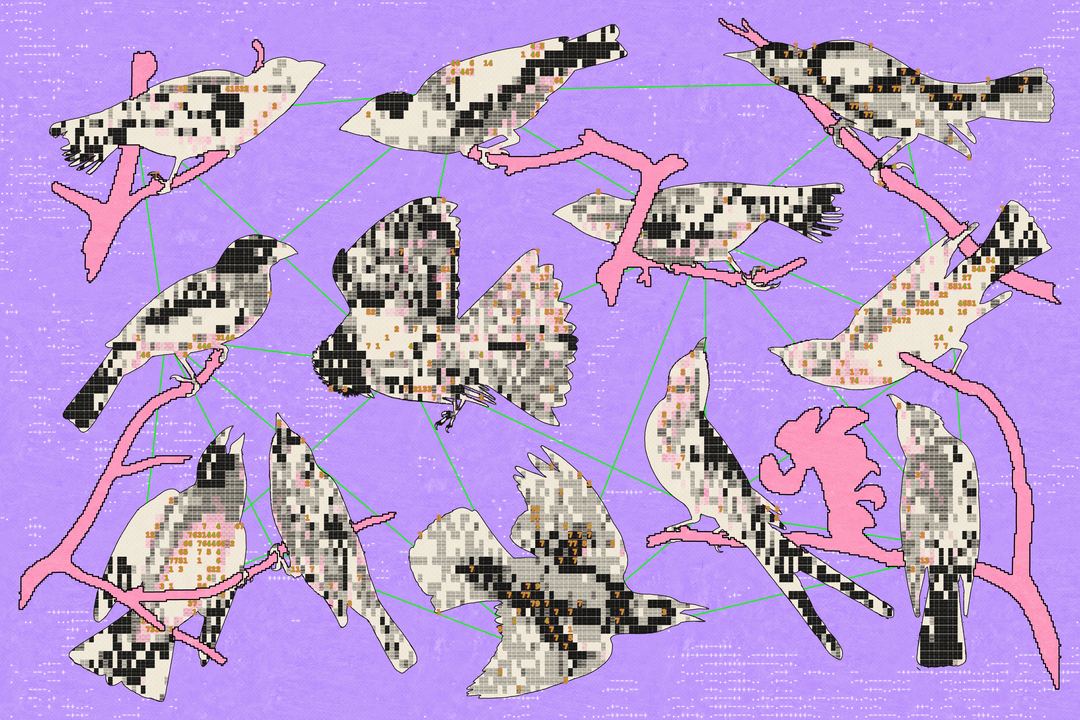
By Bodil Malmström
“Culture can provide a kind of glue between technology and society”
Digital commons thrive on sharing knowledge, culture and building communities, rather than innovation for its own sake. ...
