


New jobs ahead in the Cultural and Creative sector
By Bodil Malmström

New jobs ahead in the Cultural and Creative sector
Navigating the fine line between AI-driven efficiency and the indispensable value of human insight will be crucial for success in the evolving work life. Five new jobs are emerging in the Cultural and Creative Industries, each facing distinct challenges shaped by technology, sustainability, and new ways of working.
AI artist: identity matters more than the latest technology
The integration of artificial intelligence into creative processes allows artists to explore new dimensions of expression. AI artists work with generative design tools and machine learning frameworks that collaborate in real time with human creators. While technology evolves rapidly, artistic sensibility, ideas, and identity remain central.
According to Erich Giordano, creating meaningful experiences for audiences and maintaining a personal signature style are more important than using the latest tools. Technology supports creativity, but the concept and vision behind the work define its value.
The creative coder: blending two worlds
Creative coders merge technical precision with artistic thinking. Coding has always required creativity, but AI expands its expressive potential by enabling creators to guide systems that generate solutions and content.
While businesses recognize AI’s potential, trust and compliance concerns often limit its use. As a result, traditional workflows and AI-driven processes are expected to coexist for the foreseeable future.
ESG specialist: beyond profit, driving sustainability and long-term success
ESG specialists focus on environmental, social, and governance commitments that go beyond profit. Their role includes ensuring compliance, measuring impact, and identifying areas for improvement across organizations.
The position requires interdisciplinary knowledge spanning law, environment, and technology. Its effectiveness depends on whether ESG values are genuinely embedded in a company’s purpose or treated merely as a compliance requirement.
The role of technology in modern design
Design technologists integrate creativity with functionality by working with tools such as VR, AI, and 3D modeling. Adaptability, collaboration, and continuous learning are essential as design increasingly operates between physical and non-physical products and services.
The life of a solopreneur: juggling creativity and strategy
Solopreneurs manage strategy, production, finances, and marketing simultaneously. Continuous learning and client acquisition are essential, as independent professionals must constantly explain and position their evolving expertise in the market.
Balancing creative work with operational responsibilities remains one of the biggest challenges.
For all these five personas, there is one key element that stands out: networking
Building a network is essential but challenging, especially for those starting out. Social presence plays a central role, yet creatives must avoid blending into mainstream communication to maintain a distinct voice.
See the presentation “Creative personas – new jobs from social listening” here


Latest ekip News and Updates
October 1, 2026
Europe has the pieces. In Eindhoven, ekip shows how to connect them.
On 23 October, during Dutch Design Week, three years of European work on the cultural and creative industries changes hands ...
September 17, 2026
By Michalis Stangos
Four things Europe needs to get right on the creative industries, and one that is still missing
Europe is losing the technology race, but it still leads on creativity. China used to recruit European engineers. ...
September 3, 2026
By Lena Holmberg, Lund University
AI and CCI: Shaping Europe’s Next Step
Across Europe, cultural and creative actors are asking a similar question: how can artificial intelligence be shaped in ways that strengthen creativity, cultural diversity and democratic innovation, r...
July 16, 2026
By Katerina Kalimera
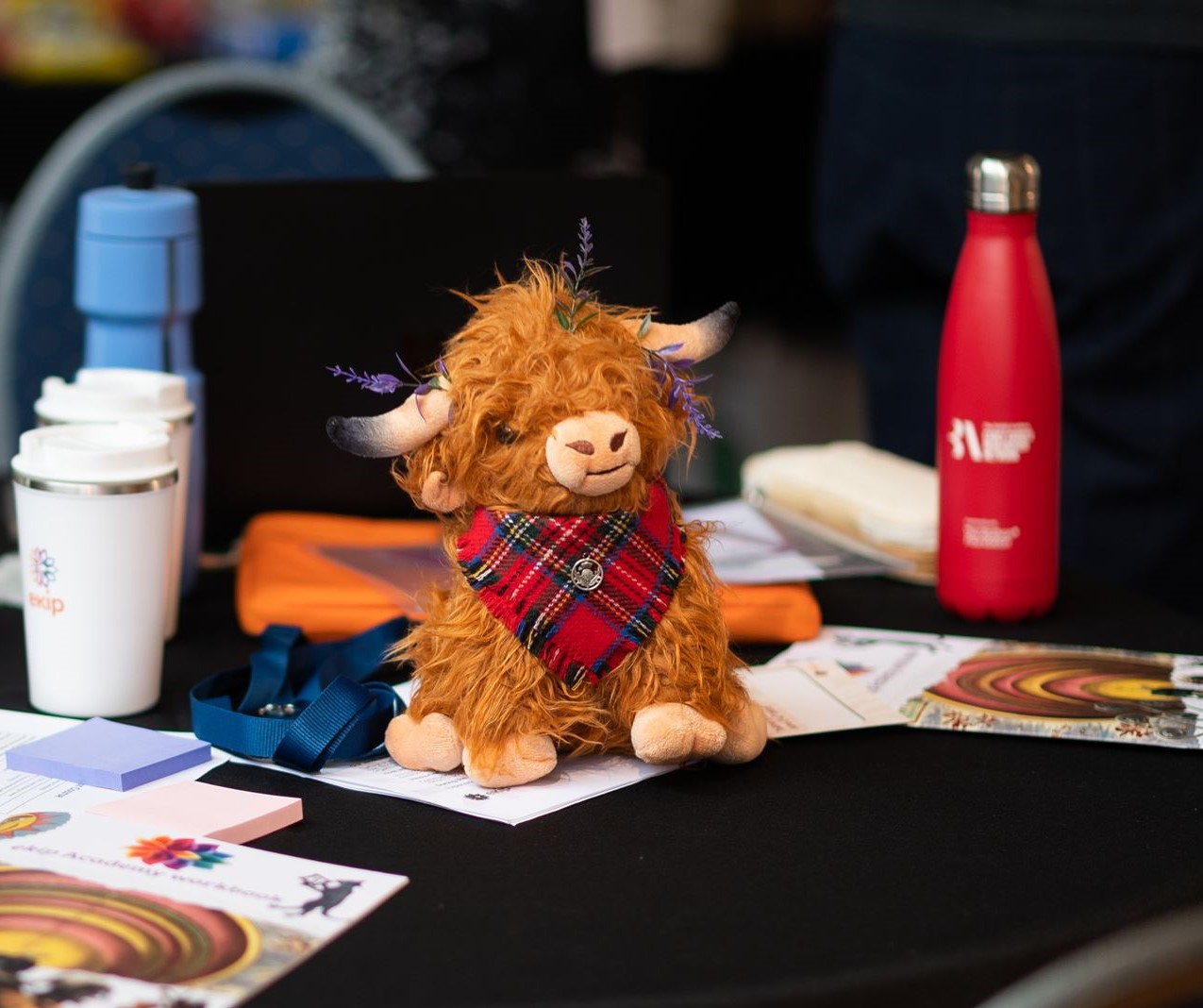
Translators, mediators, connectors: the missing infrastructure of innovation
At the ekip Academy in Tallinn, the South of Scotland team described themselves as the “glue” forming sectors and enabling collaboration, a basic idea that stayed with attendees throughout the event....
