
Welcome to the new innovation policy platform for the cultural and creative industries

- POLICY AREAS
 AI and Cultural and Creative Industries
 New European Bauhaus – CCIs enabling green transition
 Immersive Media
 Crafts-led Innovation
 Platformisation of the Music Industry
 Inclusivity in Video Game Industry
 Cross-Innovation with Performing Arts
 Fashion Transition: Eco-Design for Circularity
 Cultural Heritage Institutions within Open Innovation Ecosystems
 New funding models for creativity and innovation
 Spaces, infrastructures, and ecosystems for CCIs
 News,Tools of Change
Hacking futures for cultural and creative industries: sustainable models for innovation funding
News,Tools of Change
Hacking futures for cultural and creative industries: sustainable models for innovation funding
Hacking futures for cultural and creative industries: sustainable models for innovation funding
By Gabrielle Aguilar van Gend, Rasa Bocyte, Siepke van Keulen

Rethinking innovation funding for cultural and creative industries
Does current funding for innovation match the characteristics and ambitions of Cultural and Creative Industries (CCIs)?
Public funding models tend to prioritize short-term projects, market-driven KPIs, and highly ambitious results produced from relatively small investments. Private investors often hold expectations that do not align with the slower pace, smaller scale, or community-driven nature of creative innovation.
At the same time, cultural and creative practitioners frequently lack entrepreneurial skills that would help them pitch, scale, and market their innovations.
In late June 2025, partners from the Netherlands Institute for Sound & Vision hosted Hacking futures for cultural and creative industries: sustainable models for innovation funding. Across two online sessions, CCI practitioners, funders, investors, innovation networks, and policymakers came together to “hack” new approaches to innovation funding.
Future Forward Hackathons as a tool for systemic change
Future Forward Hackathons are ekip’s method for translating emerging societal, technological, and environmental priorities into forward-looking opportunities for the CCIs.
Unlike traditional hackathons that focus on building digital prototypes, these events invite participants to work with future scenarios and cross-sectoral insights to reimagine policy topics from innovation infrastructure to funding models.
By combining creativity with foresight, the hackathons create space for CCIs to demonstrate their potential role in shaping future societies.
True to ekip’s experimental spirit, participants co-designed zines that captured provocations and actionable insights. These zines functioned as playful yet powerful tools for discussing policy and innovation, while embodying the participatory and rebellious tradition of the format.
Through imagination, metaphor-building, and collective sense-making, participants challenged assumptions and envisioned new ways to strengthen the sector’s innovation capacity.
Key takeaways from the hackathon
The zine-making exercise surfaced tensions between how innovation is typically funded and how culture and creativity generate impact.
Several insights stood out:
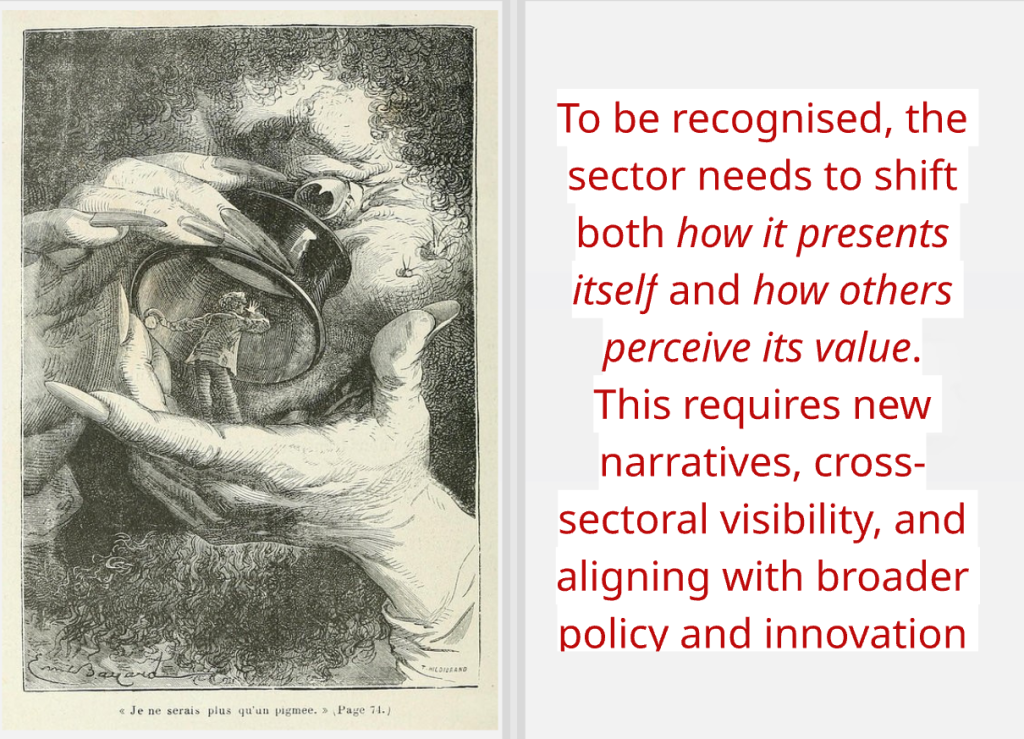
- New narratives are needed. CCIs remain underrepresented in innovation policies partly because existing narratives fail to articulate their value and reduce impact to simplistic measurement tools.
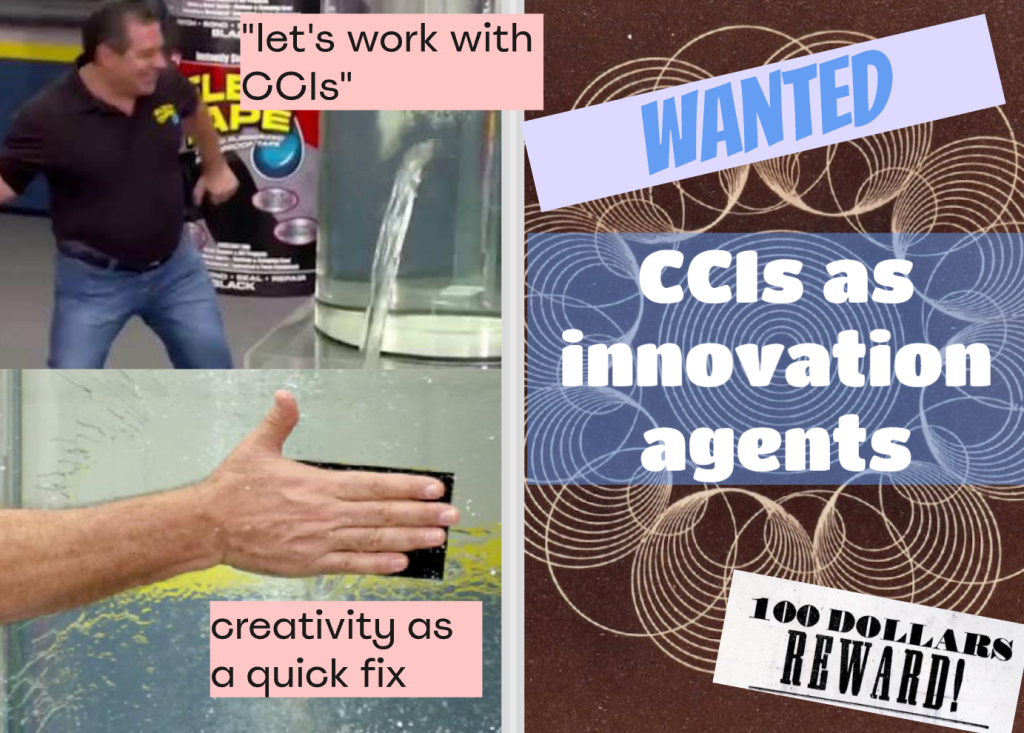
- Creativity is not a quick fix. Meaningful inclusion of CCIs requires open-ended, explorative, cross-sectoral innovation processes not temporary artistic interventions.
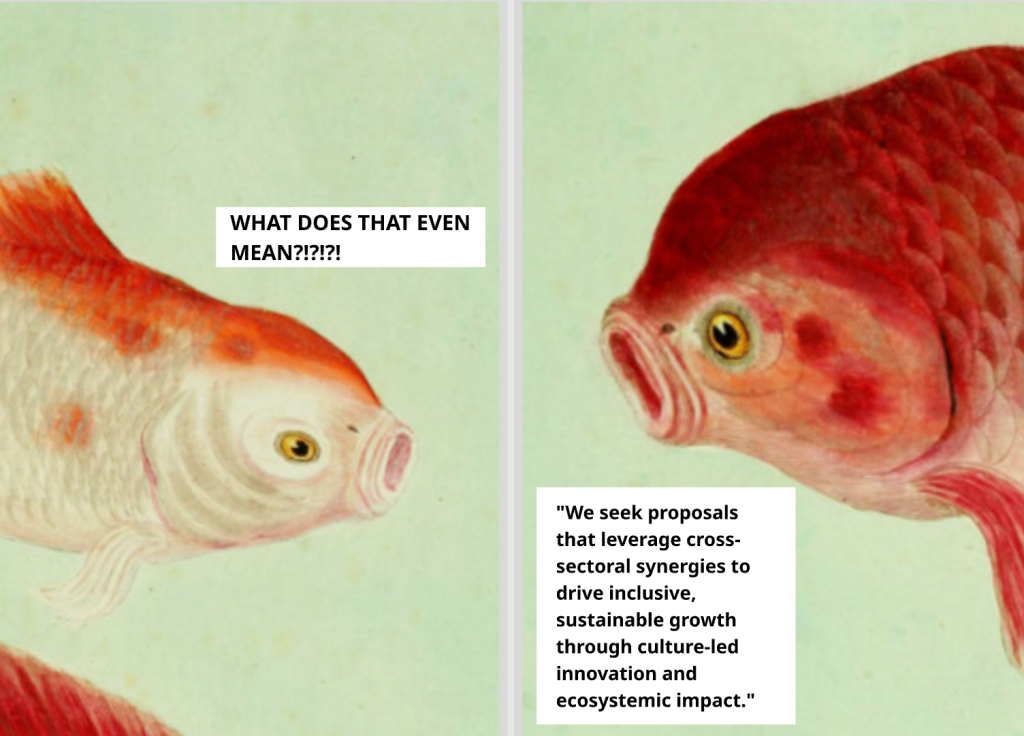
- Funding language is a barrier. Policy jargon, buzzwords, and rigid KPIs alienate practitioners and obscure the societal change their work can generate.
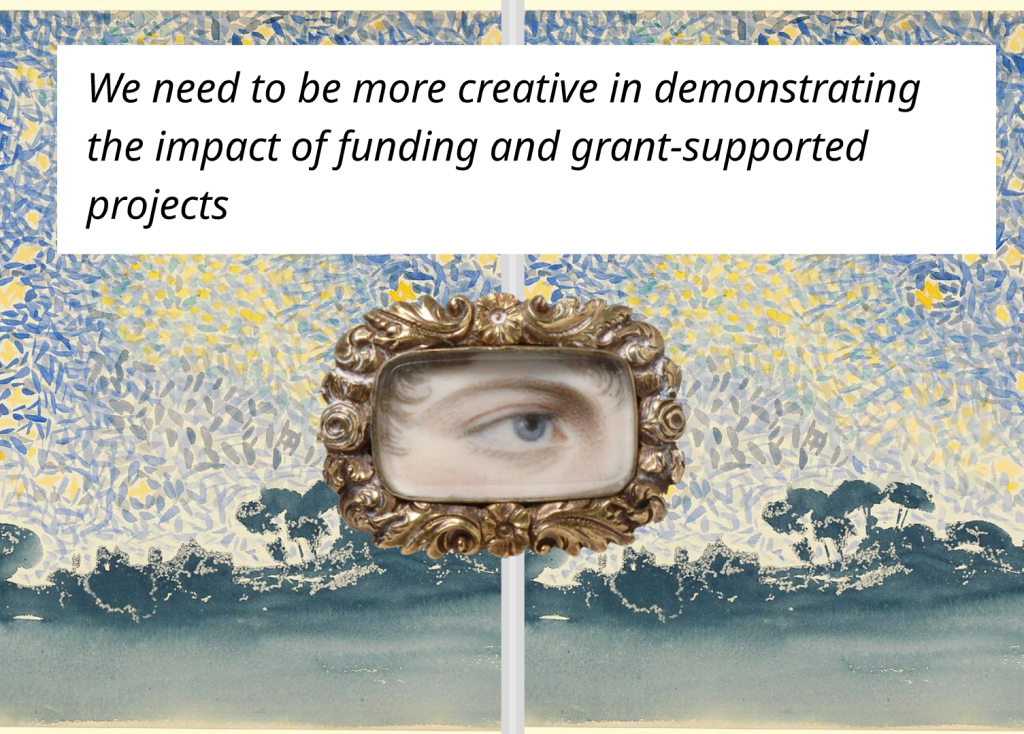
- Success must be redefined. Innovation should not be measured only through economic KPIs, but through social value, cultural cohesion, community growth, and long-term ecosystem impact.
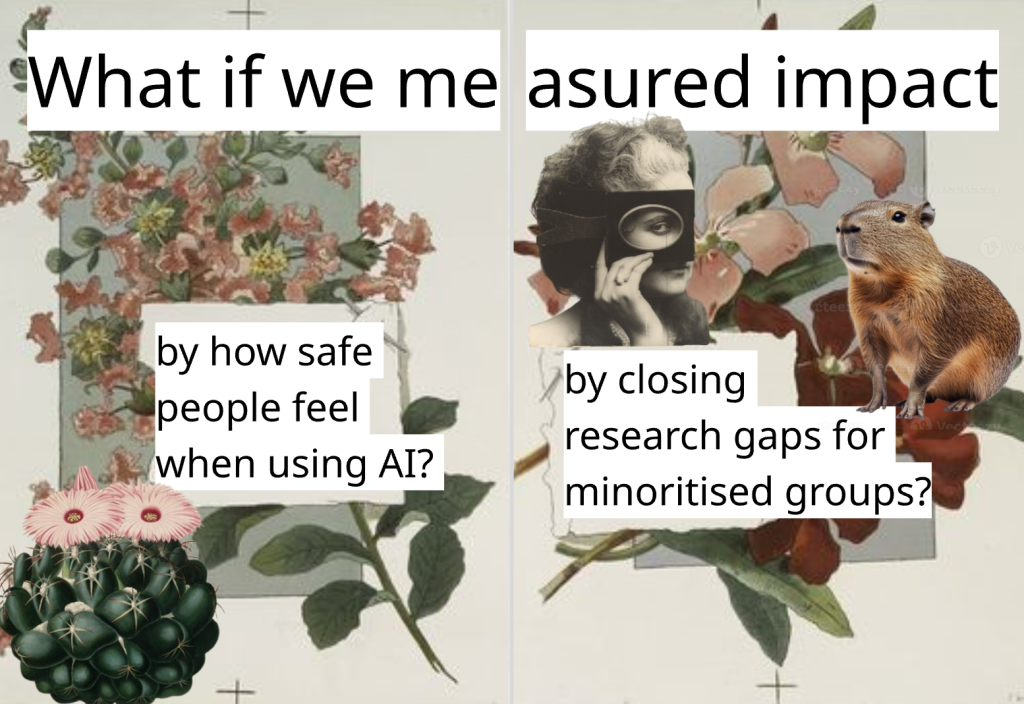
- Silos must be broken. Cross-sectoral innovation requires time, trust, shared language, and investment in relationships before systemic change can emerge.

While the sessions did not deliver final answers, they generated collective clarity: the system does not need minor tweaks it needs creative reimagining.
The message was clear: stop asking CCIs to fit outdated innovation models; start building models that fit the futures we want to create.
What comes next
ekip is currently preparing a publication that will share all the zines created during the hackathon. A toolbox will also be released for communities that want to recreate the zine-making exercise in their own contexts.
This activity was organised by ekip and builds on the first ekip hackathon, Innovation infrastructures for the Creative and Cultural Industries, held during Creative Skills Week in Amsterdam in October 2024.
Latest ekip News and Updates

April 16, 2026
By Bodil Malmström
From Fabric to Future: How DPP is Transforming European Fashion
The transition toward a circular and sustainable fashion industry is gaining momentum across Europe, driven by both environmental urgency and evolving policy frameworks. ...

April 15, 2026
By Bodil Malmström
Creatives overlooked in national innovation strategies
From design studios to gaming startups, Europe’s cultural and creative industries are widely recognised as engines of growth. Yet behind the consensus lies a fragmented policy landscape that risks hol...

February 18, 2026
By Lena Holmberg
Open Innovation: A Game-Changer
At ekip, Open Innovation is more than a principle—it is a strategic principal positioning cultural and creative industries at the forefront of Europe’s innovation cycle....

February 18, 2026
By Bodil Malmström
Boosting Europe’s creative future: inside ekip’s prioritisation phase
In Brussels and beyond, cultural policy is often accused of reacting too late to technological shocks or market shifts. ...
