


 Big Ideas & Perspectives,Identification,News
“It’s an exciting time to work in XR right now”
Big Ideas & Perspectives,Identification,News
“It’s an exciting time to work in XR right now”
“It’s an exciting time to work in XR right now”
By Bodil Malmström

XR technologies transcend mere technology they are a gateway to reimagining the boundaries of art, storytelling, and creativity. XR invites both creators and audiences into immersive experiences where imagination takes center stage and becomes reality. Cultural and Creative Industries (CCIs) are uniquely positioned to inject artistic vision, critical thinking, and innovation capacity into the future development of extended reality ecosystems.
Imagine immersive virtual installations that can not only be seen but truly experienced, interactive storytelling where audiences become co-creators, or the possibility of stepping into a painting and inhabiting its vibrant world.
From artists and technologists to designers and developers, a diverse talent pool has the potential to shape how XR technologies are designed, accessed, distributed, and used across cultural sectors.
“It’s an exciting time to work in XR right now. Many questions around standards, workflows, and distribution models are still open-ended, and we need CCIs to come up with bold ideas that push and shape the boundaries of current thinking,” says Rasa Bocyte, Senior Advisor for Research Collaborations at Netherlands Institute for Sound & Vision, an ekip partner.
More prototyping
Organisations such as theatres, broadcasters, libraries, and news agencies increasingly see XR as an opportunity for new cultural formats and audience engagement. However, these institutions rely on complex, standardized workflows, and integrating new immersive technologies requires significant long-term investment.
“That’s why most examples so far remain one-off XR experiments or showcases, rather than embedded parts of core organisational activities. In the coming years, I would like to see more initiatives prototyping XR distribution and audience development models beyond art festivals,” underlines Rasa Bocyte.
Complex funding
Many CCIs are small organisations or individual creators who face structural barriers to innovation funding. Application processes are often complex, resource-intensive, and require consortia and rigid compliance frameworks.
“There’s broad agreement across the sector that we must lower barriers to innovation funding spending months on proposals with a 5-10% success rate is simply not sustainable for most CCIs,” says Rasa Bocyte.
While high-impact programmes like Horizon Europe support XR innovation and SME participation, the administrative burden often excludes smaller actors. Rasa Bocyte highlights cascade funding as a more accessible instrument with faster results and lower entry thresholds.
“You might have the best creative XR idea, but translating it into fundable language is a different skill altogether. We need to ensure that small organisations and individual creators shape Europe’s XR innovation landscape.”
Their perspectives are often more critical, experimental, and capable of challenging dominant models.
“I would like to see more low-threshold funding instruments that allow CCIs to practice innovation, build capacity, and connect to larger innovation ecosystems.”
Local projects
Supporting CCIs in XR innovation requires multi-level policy action. Large-scale initiatives such as Virtual Worlds, CoSTAR, and CIIIC play a vital role in infrastructure, education, and research. However, these must be complemented by local and regional innovation programmes.
Local initiatives enable CCIs to access funding, prototype quickly, and build community connections. ekip’s LIEPT model measuring impact through portfolios rather than isolated projects demonstrates how multiple small-scale actions can generate long-term ecosystem impact.
“What’s currently missing is a forum that enables coordination across funding instruments at different levels, ensuring they reinforce each other rather than duplicate efforts,” says Rasa Bocyte.
Open to all
A key challenge is ensuring open and inclusive XR ecosystems. Historically, large technology platforms have dominated distribution, limiting access for independent creators.
“This time, we need systems that allow small creators, startups, and local communities to grow alongside major players.”
Rasa Bocyte advocates moving beyond festival premieres as the primary distribution channel.
“We need models that make XR more accessible, repeatable, and mainstream.”
She highlights the reuse of existing physical infrastructures.
“Imagine touring Venice XR productions through regional libraries across Europe opening access for diverse creators while creating sustainable career pathways.”
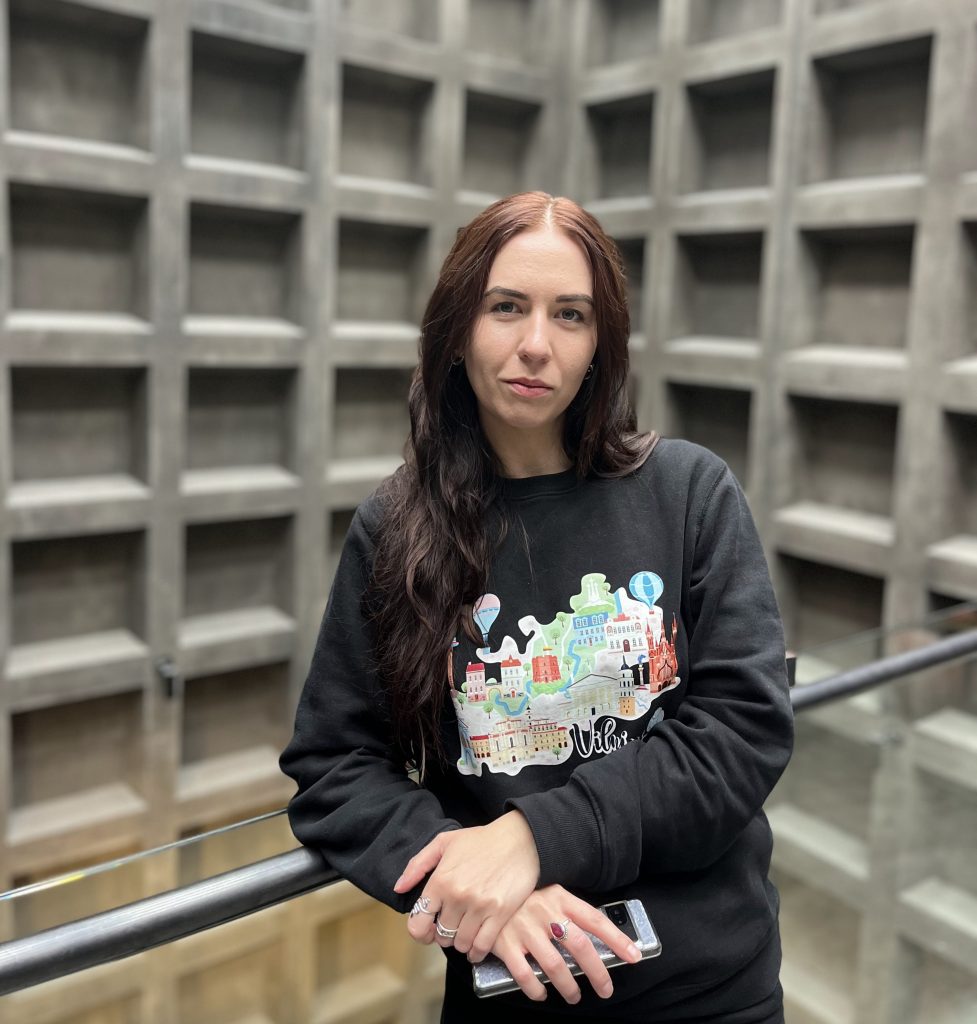
Rasa Bocyte, Senior Advisor for Research Collaborations
at Netherlands Institute for Sound & Vision, an ekip partner.
Collaboration is key
Rapid technological change creates skills gaps, fragmented knowledge, and educational lag.
“Amy Webb describes this era as a ‘Technology Supercycle’. No single organisation can master everything from XR technology and legal frameworks to ethics, distribution, and sustainability.”
Strong innovation ecosystems depend on collaboration, skill-sharing, and mobility.
“Voucher schemes, exchange programmes, and ecosystem networking are essential tools for building shared XR capacity,” says Rasa Bocyte.
Critical issues
XR holds enormous promise for CCIs but critical reflection is essential. Issues such as digital divides, accessibility, environmental impact, representation, and ethical governance must be addressed.
“I strongly believe we must resist XR hype. Innovation for innovation’s sake risks reinforcing inequality and ignoring climate and social justice.”
Listening to skeptics, Rasa Bocyte argues, is necessary to build responsible, inclusive, and sustainable immersive media ecosystems.
Latest ekip News and Updates
October 1, 2026
Europe has the pieces. In Eindhoven, ekip shows how to connect them.
On 23 October, during Dutch Design Week, three years of European work on the cultural and creative industries changes hands ...

September 17, 2026
By Michalis Stangos
Four things Europe needs to get right on the creative industries, and one that is still missing
Europe is losing the technology race, but it still leads on creativity. China used to recruit European engineers. ...
September 3, 2026
By Lena Holmberg, Lund University
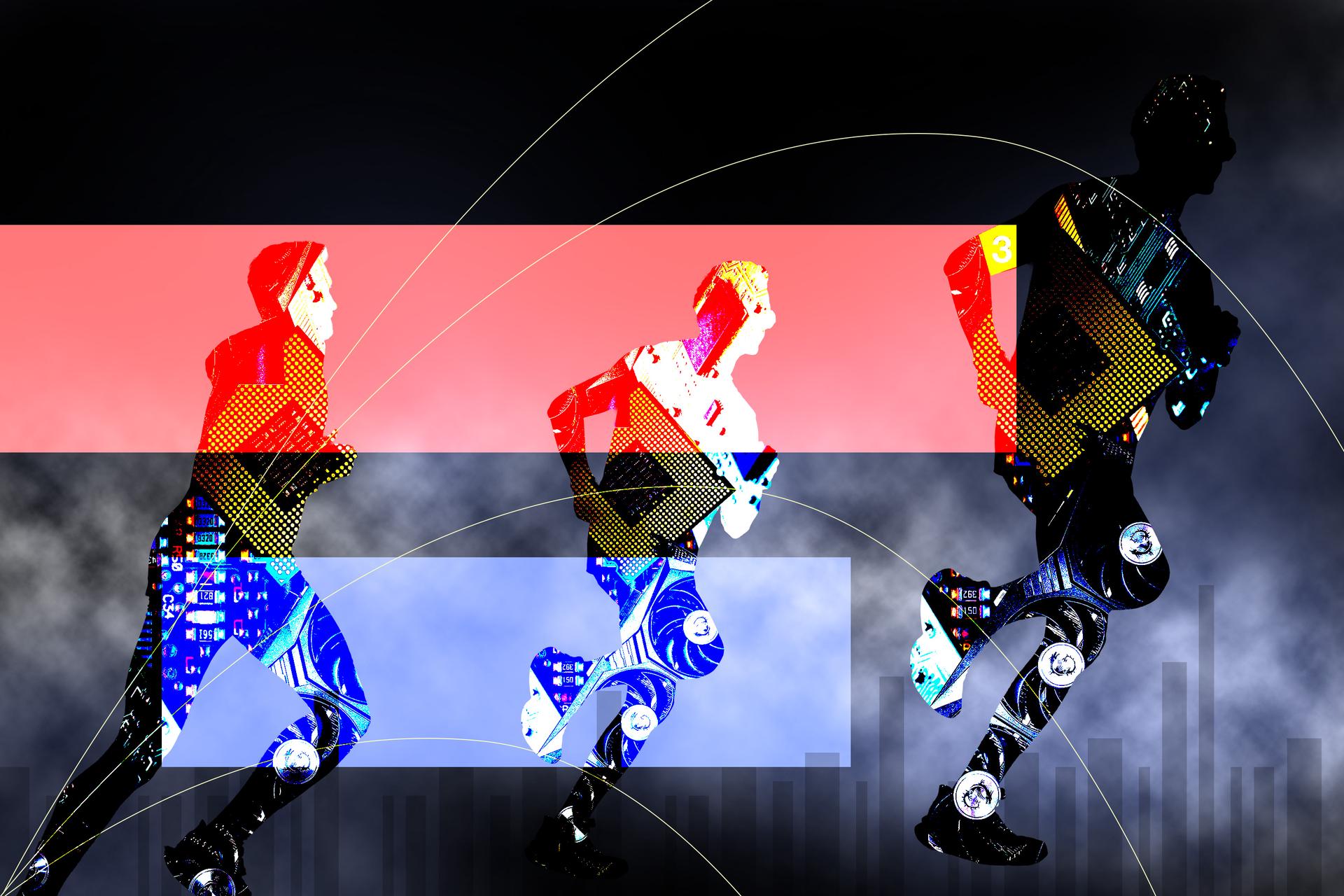
AI and CCI: Shaping Europe’s Next Step
Across Europe, cultural and creative actors are asking a similar question: how can artificial intelligence be shaped in ways that strengthen creativity, cultural diversity and democratic innovation, r...
July 16, 2026
By Katerina Kalimera
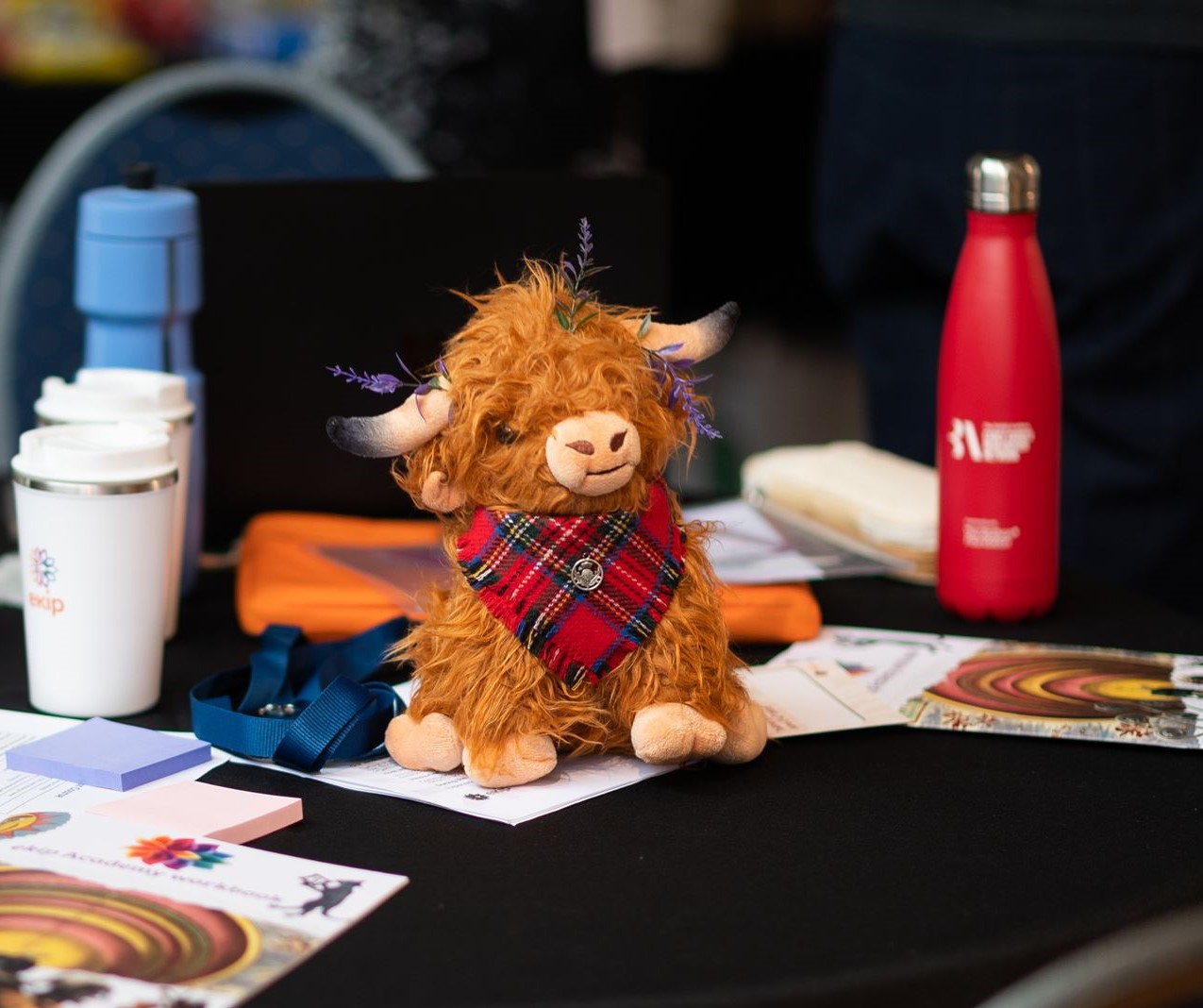
Translators, mediators, connectors: the missing infrastructure of innovation
At the ekip Academy in Tallinn, the South of Scotland team described themselves as the “glue” forming sectors and enabling collaboration, a basic idea that stayed with attendees throughout the event....
