
Welcome to the new innovation policy platform for the cultural and creative industries

- POLICY AREAS
 AI and Cultural and Creative Industries
 New European Bauhaus – CCIs enabling green transition
 Immersive Media
 Crafts-led Innovation
 Platformisation of the Music Industry
 Inclusivity in Video Game Industry
 Cross-Innovation with Performing Arts
 Fashion Transition: Eco-Design for Circularity
 Cultural Heritage Institutions within Open Innovation Ecosystems
 New funding models for creativity and innovation
 Spaces, infrastructures, and ecosystems for CCIs
 Reimagining Deep-Tech
 Digital Commons
 About us,News,People of ekip
Meet ekip’s Validators: Empowering Creatives to Shape the Future of Innovation Ecosystems
About us,News,People of ekip
Meet ekip’s Validators: Empowering Creatives to Shape the Future of Innovation Ecosystems
Meet ekip’s Validators: Empowering Creatives to Shape the Future of Innovation Ecosystems
By Bodil Malmström

Creatives as drivers of innovation ecosystems
Insights, knowledge and trendspotting on how creatives can play a strong role in driving innovation ecosystems.
The integration of Cultural and Creative Industries (CCIs) into society is not merely an artistic endeavour; it is a smart strategy. That is Paul Hekkert’s belief as a Captain of Science of the Dutch top sector for the Creative Industries. By embracing creativity, doors open to sustainable growth, cultural connections, and positive change ensuring innovation enables transformative change.
“With ekip’s help, creatives can demonstrate their unique role and potential in driving innovation ecosystems. With that relevance and evidence, it becomes more likely that governments and private investors are willing to invest in creative sector players for spurring innovation, for giving it purpose, meaning and direction,” says Paul Hekkert.
ekip’s Engine is now up and running, and the next focus for ekip should be to scale up. Paul Hekkert underlines the importance of continuing to build an evidence-based track record to convince stakeholders across sectors.
“We need to reach out to an increasing number of representatives from the creative sector, especially in our Policy Labs. And ideally, our policy recommendations and their impact on creatives and others should work across application domains.”
Collaboration is key for long-term impact
Across Europe, numerous projects have been funded to support cultural and creative industries and related policies. These initiatives reflect a shared recognition of culture’s role in societal and economic development. However, ensuring long-term impact requires more than innovation it demands communication, collaboration, and knowledge exchange.
“Most particularly with those projects that target artistic and cultural activities which capacity/goal of reproductivity and therefore industrialisation is lower,” says Cristina Farinha, an independent expert on policy research and development specialised in culture, heritage, and the creative economy.
All cultural and creative sectors face similar challenges and require unified advocacy at the policy level. While individual sub-sectors benefit from their own networks, a collective voice is essential to address shared issues effectively.
“The promotion of entrepreneurship shall be taken in a larger sense, beyond the development of business skills and the creation of enterprises for profit making,” Cristina Farinha emphasises, pointing to NGOs and civil society organisations as key actors.
For ekip, mapping peer projects is a crucial first step in understanding the broader ecosystem. Equally important is the timely publication of policy areas, enabling synergies and ensuring long-term collaboration.
Intersections between culture, policy, and innovation
Cultural policy is far more than a bureaucratic framework; it reflects societal values and identity. That is the strong belief of Toni Attard, founder and director of Culture Venture based in Malta.
“Cultural policy can set the tone at any level of government on the fundamental principles of culture that shape society especially the right to create and the right to access culture.”
The intersection of cultural policy and innovation is essential today. From digitalisation and AI to climate change and intellectual property, innovation is reshaping the cultural sector. Merging cultural and innovation policies ensures culture not only survives but thrives.
“We need policies that safeguard cultural rights and policies that include culture as a sector that brings ideas to market,” says Toni Attard.
ekip’s strengths and the role of intermediaries
To unlock the full potential of creatives, innovation ecosystems must value experimentation, creative freedom, and cross-disciplinary collaboration. ekip plays a vital role in enabling this.
“ekip’s strengths are in its partners and the collective knowledge they generate through action and experimentation,” underlines Toni Attard.
Philippe Kern, Founder & Managing Director of International Cultural Policy Designer, highlights the challenge of accelerating policy implementation within the EU’s complex legal frameworks.
“The best solution is to entrust an intermediary organisation empowered to take decisions on the basis of precise mandates developed and agreed by political authorities,” he explains.
Latest ekip News and Updates
September 17, 2026
By Michalis Stangos
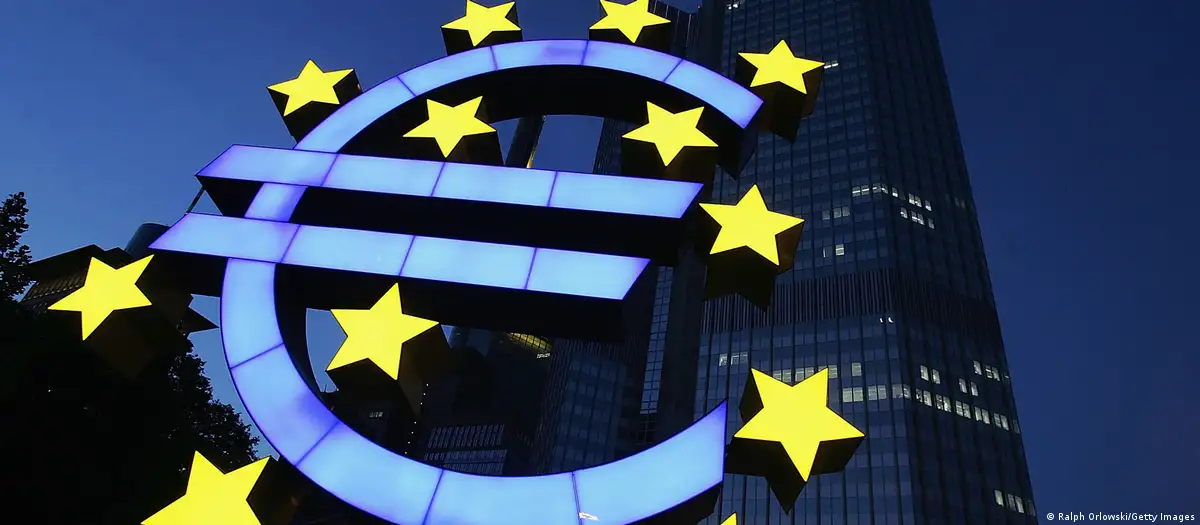
Four things Europe needs to get right on the creative industries, and one that is still missing
Europe is losing the technology race, but it still leads on creativity. ...
September 3, 2026
By Lena Holmberg, Lund University
AI and CCI: Shaping Europe’s Next Step
Across Europe, cultural and creative actors are asking a similar question: how can artificial intelligence be shaped in ways that strengthen creativity, cultural diversity and democratic innovation, r...
July 16, 2026
By Katerina Kalimera
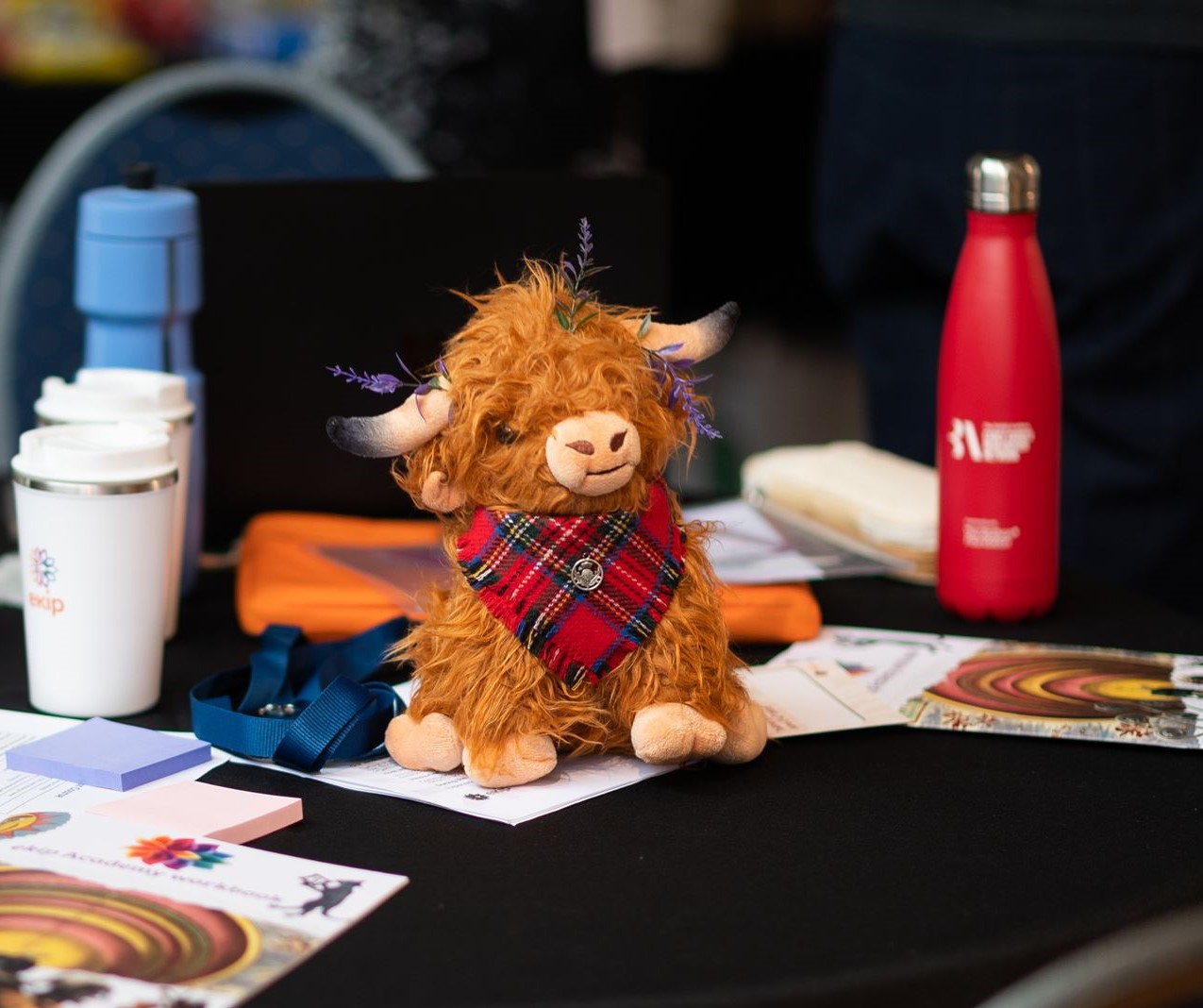
Translators, mediators, connectors: the missing infrastructure of innovation
At the ekip Academy in Tallinn, the South of Scotland team described themselves as the “glue” forming sectors and enabling collaboration, a basic idea that stayed with attendees throughout the event....
July 13, 2026
By Bodil Malmström
Designing Materials for a Regenerative Future
From fungal textiles to living artefacts, researchers and designers are turning to deep tech to rethink what materials can do and who they are for....
