


Universities as engines of place-based innovation
By Bodil Malmström
A stronger friendship between universities and the Cultural and Creative Industries could help unlock Europe’s innovation potential.
Universities are increasingly expected to do more than produce scientific knowledge. They are also becoming meeting places where research, business, public organisations and creative professionals can come together to address society’s challenges. For ekip, this is an important part of Europe’s innovation future.
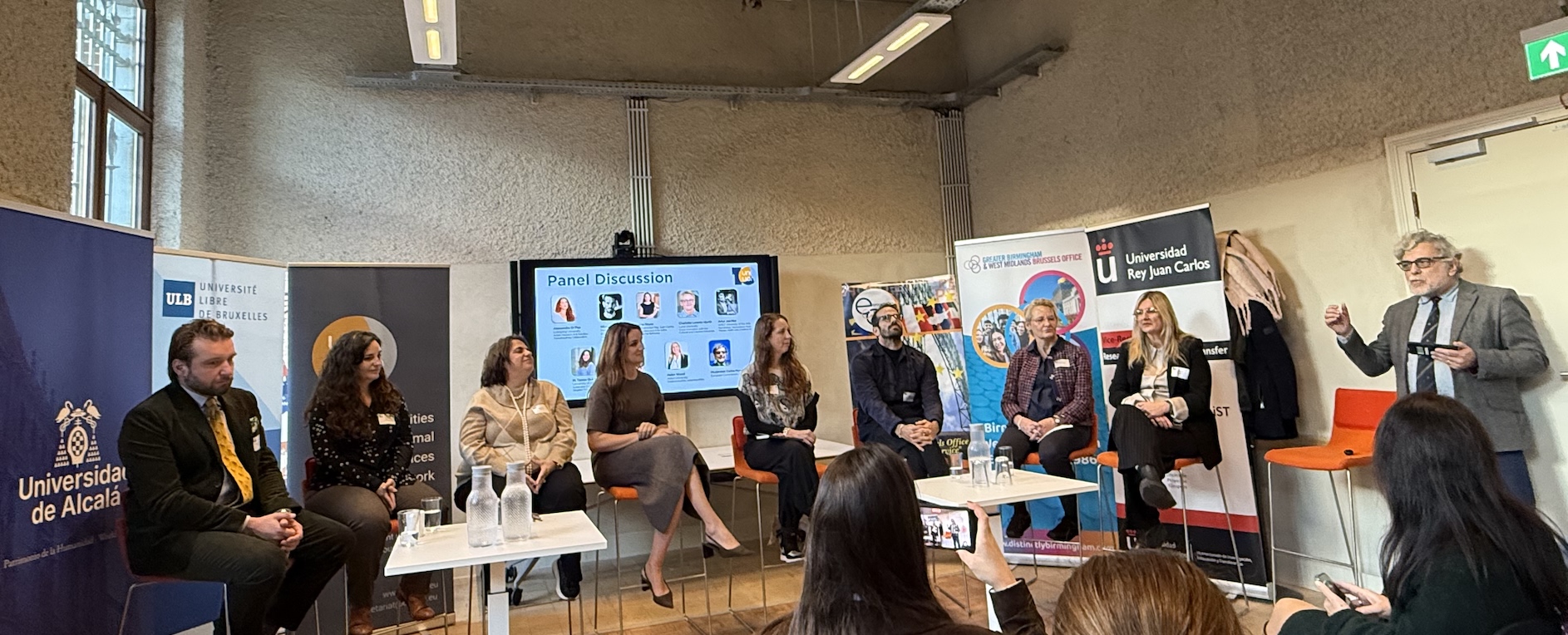
On 19 November 2026, UNILiON celebrated its 10th anniversary in Brussels, bringing together representatives from European institutions, universities, industry and research organisations to discuss the future of European research, innovation and competitiveness. Lund University, lead of ekip, was represented by Charlotte Lorentz Hjorth, ekip coordinator.
“For ekip, it was encouraging to see a central concern of the project – innovation with the Cultural and Creative Industries (CCIs) and the development of ecosystems – becoming part of important strategic dialogues about Europe’s future”, says Charlotte Lorentz Hjorth.
From knowledge institutions to meeting places
One of the key lessons from ekip is that the Cultural and Creative Industries benefit enormously from closer links with universities. Universities can provide the meeting spaces, research environments and networks where creative professionals and academics combine their different strengths. But the exchange is far from one-sided.
Creatives can also help universities rethink how they work: crossing disciplinary boundaries, connecting different areas of knowledge and building stronger relationships with society. This is where place-based innovation takes shape – through people, ideas and resources coming together in new combinations.
As Charlotte Lorentz Hjorth puts it:
“Universities offer creatives space, knowledge and networks to grow. In return, creatives bring fresh thinking, challenge boundaries and open up new possibilities. Together, they can turn diversity into meaningful innovation.”
Creativity as Europe’s competitive strength
The anniversary programme reflected the growing importance of these connections. A high-level dialogue on the future of European research and innovation policy brought university leaders together with Members of the European Parliament Eszter Lakos and Christian Ehler. Discussions focused on the European Research Area Act, the next EU Framework Programme for Research and Innovation (FP10), and Europe’s competitiveness agenda.
Alongside this, an expert session entitled Creativity as Europe’s Competitive Strength for Innovation explored how creativity can contribute to innovation, with perspectives from universities and research organisations across Europe.
The public event continued the conversation, welcoming more than 200 participants to discuss how universities, industry and policymakers can work together to strengthen Europe’s future competitiveness.
A recurring message throughout the day was clear: Europe’s competitiveness depends on talent, knowledge, creativity, scientific excellence and trusted collaboration.
The university as part of the wider ecosystem
The next step is to see universities not as institutions operating alongside society, but as active participants in it. In an increasingly connected innovation landscape, boundaries between universities and surrounding organisations are becoming more fluid. Ideas, expertise and resources move between sectors, while challenges are identified and addressed through interaction.
”Bringing these strengths together can create new forms of place-based innovation – and a more open, collaborative and imaginative European innovation landscape. Perhaps the most promising outcome is the beginning of a lasting friendship between universities and creatives, one capable of turning Europe’s diversity into collective strength”, concludes Charlotte Lorentz Hjorth.
Latest ekip News and Updates
November 26, 2026
By Bodil Malmström
Universities as engines of place-based innovation
A stronger friendship between universities and the Cultural and Creative Industries could help unlock Europe's innovation potential. ...
November 24, 2026
By Katerina Kalimera
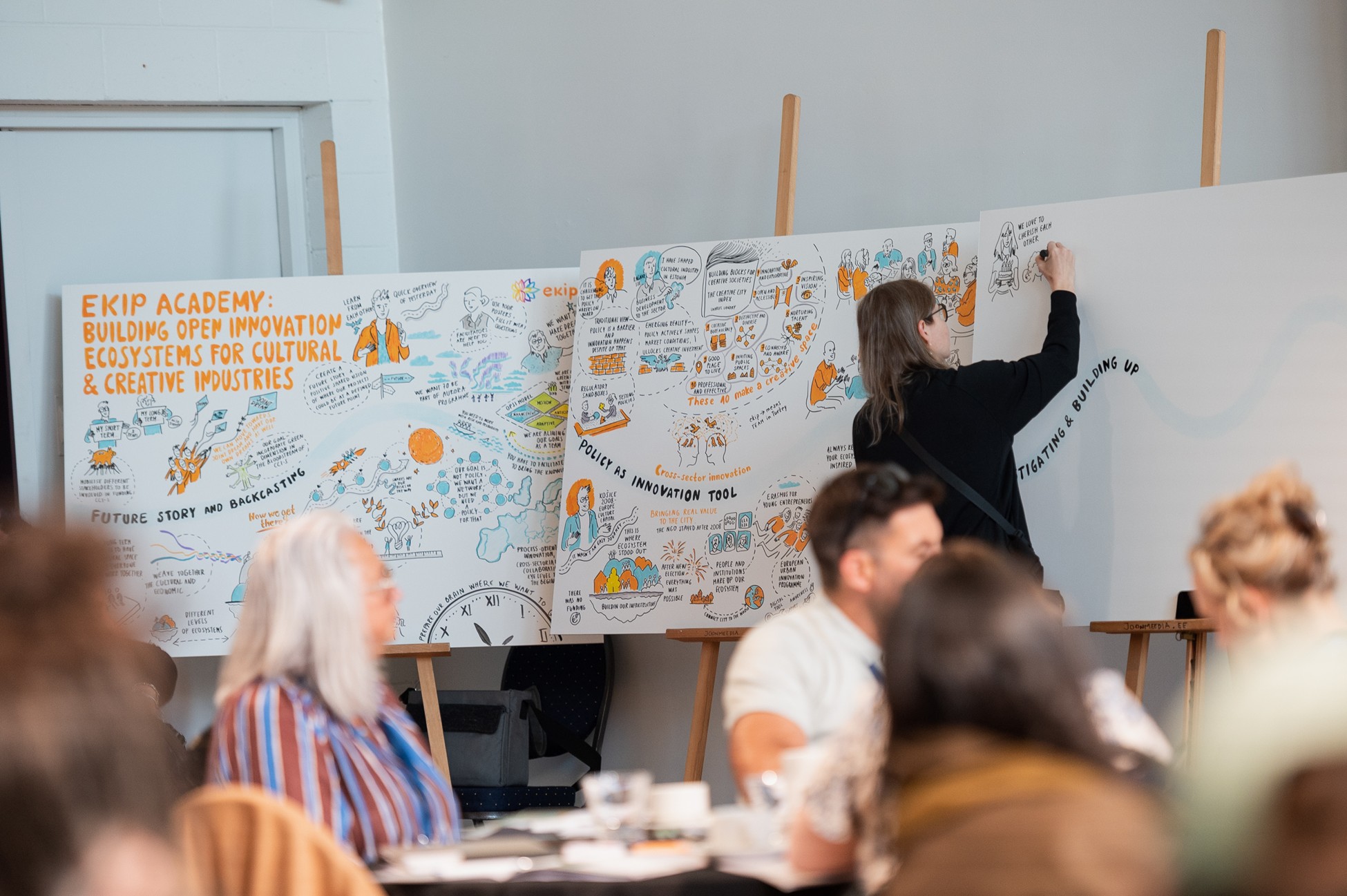
Graphic recording for innovation: A strategic communications tool
Most of my working life happens in fast-paced rooms where important decisions are made. ...
November 16, 2026
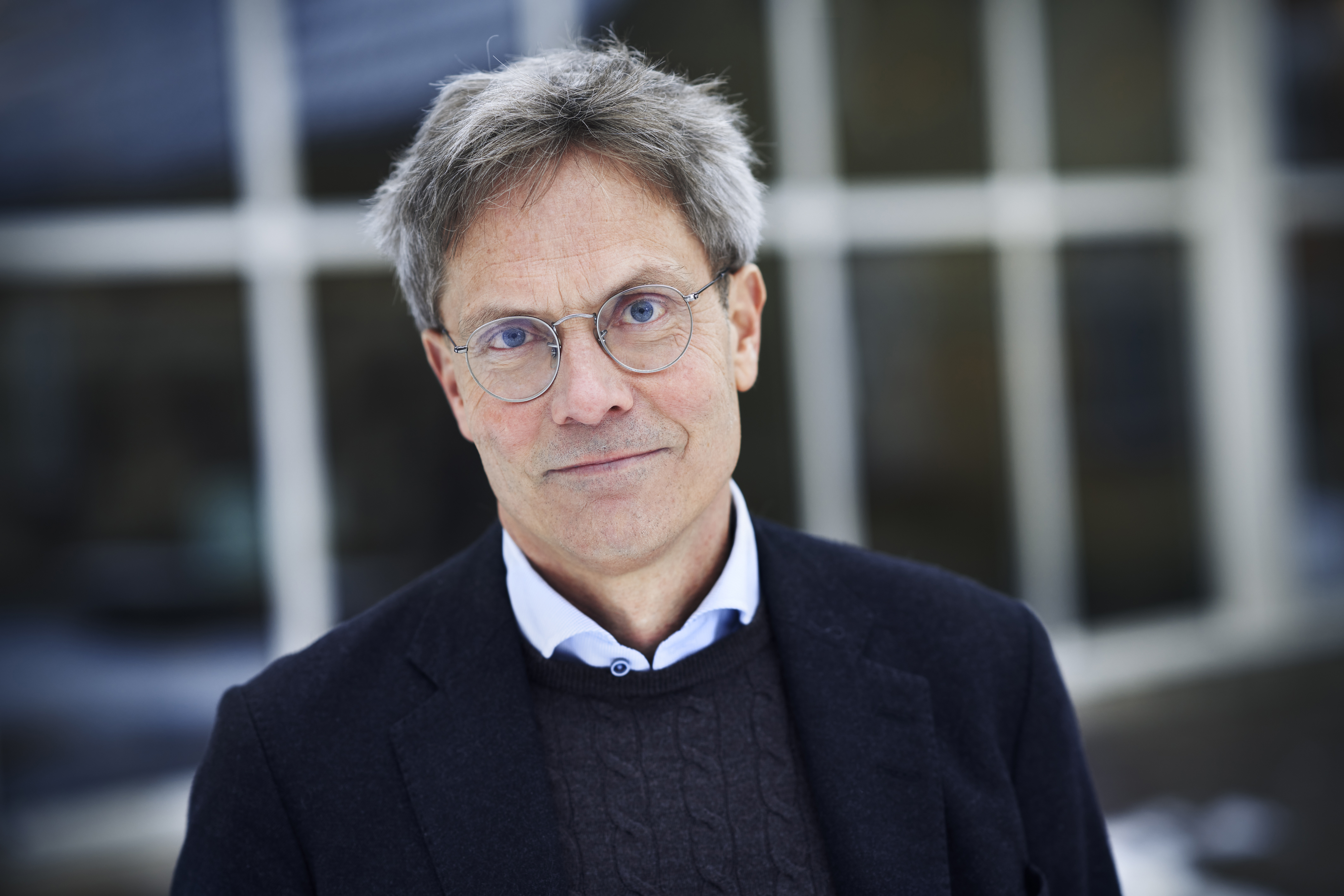
By Mats Benner | Opinion Column
Can universities be creatives’ best friend?
One of the key lessons of ekip is that the CCIs benefit from linkages with universities. ...

November 10, 2026
By Katerina Kalimera, based on research by Dr Anna Kallen Talley
From Shared Knowledge to Collective Impact: Connecting Europe’s Creative Ecosystems
How do we make sure that the knowledge generated across Europe creates opportunities for different initiatives to connect, collaborate and co-create?...
